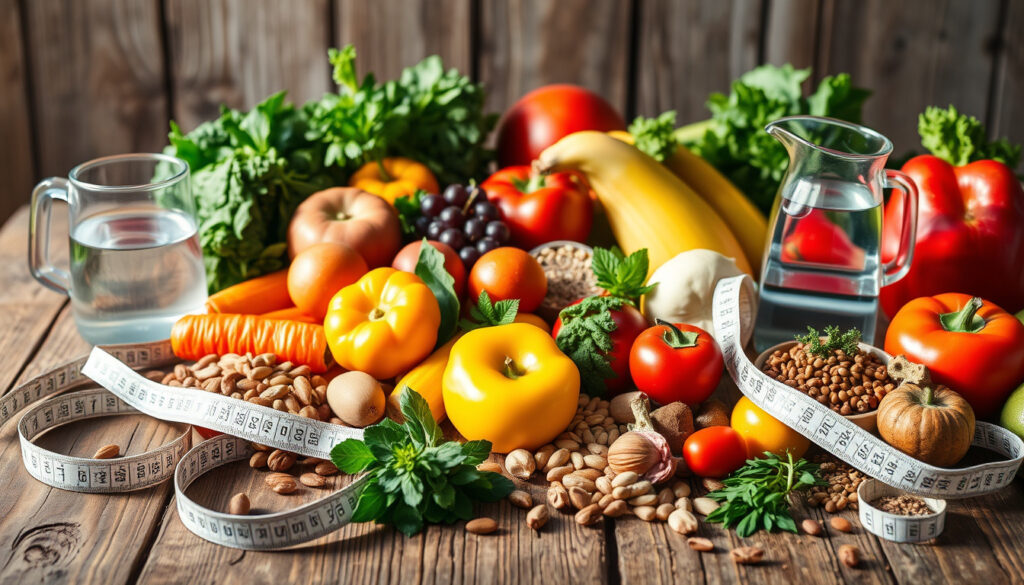
Como Perder Peso Naturalmente – Guía Científica Sostenible
Achieving sustainable weight loss without restrictive diets or expensive gym memberships relies on proven, science-backed strategies that work with your body’s natural systems. Health authorities including the Mayo Clinic, NIH, and WHO consistently emphasize that moderate caloric deficit combined with nutritious foods, daily movement, and healthy habits delivers the most durable results for individuals seeking to lose weight naturally.
This approach differs fundamentally from quick-fix diets or miracle supplements. Instead, it focuses on long-term behavior changes that address the root causes of weight gain—including insulin regulation, appetite hormones, and metabolic efficiency. Research from major health institutions confirms that losing 0.5 kg per week represents the optimal rate for maintaining muscle mass while reducing body fat sustainably over time.
Understanding how to lose weight naturally means recognizing that diet accounts for approximately 70% of results, while exercise contributes around 20%. The remaining 10% comes from sleep quality and stress management. This distribution explains why even dedicated exercisers often struggle when nutrition and lifestyle habits are overlooked.
How to Lose Weight Naturally: The Science Behind Sustainable Results
The foundation of natural weight loss rests on creating a moderate caloric deficit—typically 500 calories per day—which translates to approximately 3,500 calories weekly, or roughly half a kilogram of body fat. This deficit can be achieved through small, manageable changes rather than dramatic dietary restrictions that often lead to rebound weight gain.
Healthline research indicates that reducing carbohydrate intake to 20-50 grams daily naturally lowers insulin levels, allowing the body to access stored fat for energy. This process, combined with adequate protein intake, helps preserve lean muscle mass while promoting fat loss. Studies published through MedlinePlus reinforce that simple swaps—like choosing air-popped popcorn instead of tortilla chips, saving over 400 calories—can effectively create the necessary deficit without feeling deprived.
What Research Says About Natural Weight Loss
Mayo Clinic guidelines emphasize that sustainable weight loss combines cardiovascular activity with dietary modifications focused on fruits, vegetables, and lean proteins. Their research confirms that the rate of 0.5 kg weekly allows the body to adapt metabolically while preserving muscle tissue, unlike rapid weight loss approaches that often result in water weight and muscle depletion rather than fat loss.
The WHO obesity reports highlight that lifestyle interventions consistently outperform pharmaceutical approaches for long-term weight management. Their findings suggest that addressing sleep quality, stress levels, and dietary patterns together produces superior outcomes compared to focusing on any single factor in isolation.
Consistency matters more than perfection. Minor daily adjustments—reducing one high-calorie snack, adding a 15-minute walk, drinking water before meals—compound significantly over weeks and months without requiring dramatic lifestyle overhauls.
4-Factor Impact Overview
Core Principles for Natural Weight Loss
- Sustainable approach outweighs rapid results every time
- Moderate caloric deficit of 500 kcal daily produces 0.5 kg weekly loss
- Combining cardiovascular exercise with strength training maximizes fat burning
- Weekly progress tracking helps identify what’s working
- Protein intake of 1.6-2.2 g per kg body weight preserves metabolism
- Reducing refined carbohydrates lowers insulin and activates fat burning
- Sleep and stress management directly impact hunger hormones
Essential Metrics for Tracking Progress
| Aspect | Recommendation | Benefit |
|---|---|---|
| Calories | Reduce 500/day | 0.5 kg weekly loss |
| Water | 3 liters daily | Reduces appetite naturally |
| Steps | 10,000/day | Burns approximately 300 kcal |
| Carbs | Under 100 g daily | Activates fat burning |
| Protein | 25-30 g per meal | Maintains muscle mass |
| Sleep | 7-9 hours nightly | Regulates hunger hormones |
What Foods Help You Lose Weight Naturally?
Prioritizing specific food categories creates automatic calorie reduction while providing essential nutrients that support metabolic health. The goal is not restriction but strategic selection—choosing foods that naturally suppress appetite, stabilize blood sugar, and provide sustained energy without excessive caloric density.
High-protein foods deserve special attention. Research from Healthline demonstrates that protein increases metabolic rate by 80-100 calories daily and reduces cravings by up to 60%. Lean meats, poultry, eggs, and whey protein help maintain lean muscle mass during caloric restriction, which is critical for keeping metabolism efficient. Including protein at every meal, particularly breakfast, establishes a strong foundation for daily caloric control.
Protein Sources That Boost Metabolism
- Lean cuts of beef and pork tenderloin
- Chicken breast and turkey
- Eggs, including whole eggs for satiation
- Whey protein supplements for convenience
- Greek yogurt and cottage cheese
- Fish varieties, especially oily types for omega-3s
Low-Carb Vegetables That Fill Your Plate
Non-starchy vegetables provide volume and nutrients with minimal calories, allowing you to feel satisfied without excessive intake. Broccoli, spinach, cauliflower, kale, lettuce, and cucumber can fill half your plate, creating visual satisfaction while keeping carbohydrate load low. The fiber content supports digestive health and contributes to feelings of fullness.
Research confirms that consuming four or more servings of fruits and vegetables daily correlates with healthier weight maintenance. Whole fruits provide natural sugars only, unlike juices or dried fruits that concentrate calories without fiber.
Healthy Fats and Supporting Foods
Dietary fat does not make you fat when consumed in moderation. Healthy fats from olive oil, avocados, nuts, and seeds support hormone production and nutrient absorption while promoting satiety. The key lies in portion control—these calorie-dense foods should complement meals rather than dominate them.
- Extra virgin olive oil for cooking and dressings
- Avocados, eaten whole rather than as guacamole
- Almonds, walnuts, and mixed nuts in measured portions
- Seeds including chia, flax, and pumpkin seeds
- Full-fat dairy in moderate amounts if tolerated
Spices and Herbs That Support Weight Loss
Certain spices contain compounds that mildly stimulate metabolism and reduce appetite. Capsaicin found in chili peppers and cayenne has been shown to increase calorie burning. Ginger, cumin, and fenugreek demonstrate modest effects on blood sugar regulation and hunger suppression in clinical studies. While not miraculous solutions, incorporating these seasonings adds flavor without calories while potentially enhancing the weight loss process.
Foods to Avoid for Natural Fat Loss
Eliminating or drastically reducing certain food categories accelerates progress. Added sugars, refined starches, sugary beverages, and fruit juices spike insulin levels and contribute to abdominal fat accumulation. These items provide empty calories that fail to satisfy, leading to overconsumption. Reading labels and identifying hidden sugars in processed foods becomes essential for maintaining the necessary caloric deficit.
Best Exercises to Lose Weight Without Equipment
Physical activity contributes roughly 20% to natural weight loss results, but its benefits extend beyond calorie burning. Regular exercise improves insulin sensitivity, builds metabolically active muscle tissue, and supports the hormonal balance that regulates appetite. The good news is that significant results require no gym membership or specialized equipment.
Walking stands as the most accessible and sustainable exercise for weight loss. Mayo Clinic research supports 30 minutes or more of brisk walking daily, with an ideal target of 10,000 steps. This moderate-intensity activity burns fat through aerobic metabolism while remaining achievable for most fitness levels. Combining walking with intermittent fasting may enhance insulin sensitivity further, though walking alone produces meaningful results.
Focus on consistency rather than intensity, especially during the first weeks. A daily 15-minute walk, even if broken into three sessions, builds the habit foundation that enables longer, more vigorous workouts later.
Effective No-Equipment Workouts
- Bodyweight squats and lunges for lower body strength
- Push-ups and modified push-ups for upper body engagement
- Plank variations for core stability and total-body activation
- High-intensity interval training using bodyweight movements
- Stair climbing for cardiovascular challenge and leg strength
- Dance-based cardio for enjoyment and adherence
- Cycling outdoors or on stationary bikes if available
Targeting Abdominal Fat Naturally
Spot reduction remains largely a myth—exercising specific body parts does not preferentially burn fat in those areas. However, combining cardiovascular exercise with strength training and dietary changes effectively reduces overall body fat percentage, including visceral abdominal fat. Diet Doctor research shows that maintaining carbohydrate intake below 100 grams daily while increasing protein supports this process.
High-intensity interval training (HIIT) offers time-efficient fat burning by creating an oxygen debt that elevates metabolism for hours after the workout concludes. Even brief sessions of 10-15 minutes, performed three times weekly, can produce meaningful results when combined with daily walking and dietary modifications.
Building Sustainable Activity Habits
The most effective exercise program is the one you will actually maintain. This means choosing activities you enjoy, starting at manageable intensity levels, and gradually building duration and frequency. Weather, time constraints, and motivation fluctuate, so having alternative activities ensures consistency through different circumstances.
How Long Does It Take to See Results From Natural Weight Loss?
Setting realistic expectations prevents frustration and abandoned efforts. The timeline for visible results depends on starting point, adherence level, and individual metabolic factors, but research provides useful benchmarks based on studies from health authorities like NIH, WHO, and Mayo Clinic.
Week-by-Week Progress Timeline
- Week 1: Initial loss of 2-4.5 kg often occurs due to reduced carbohydrate storage and water weight as insulin levels drop. This rapid start provides motivation but represents preliminary results rather than sustained fat loss.
- Weeks 2-12: Sustainable rate of approximately 0.5 kg weekly becomes the norm. With a 500 kcal daily deficit combined with regular activity, this translates to roughly 2 kg monthly. Muscle mass remains preserved during this phase.
- Months 3-6: Cumulative loss of 6-10 kg achievable for most individuals following the protocol consistently. Metabolic adaptation may slow progress slightly, requiring attention to remaining habits.
- Month 6 and beyond: Transition to maintenance phase, where the focus shifts from active weight loss to preventing regain through established habits.
Understanding Individual Variation
Age, sex, starting BMI, hormonal status, and genetic factors influence individual results significantly. Younger individuals with higher starting weights typically see faster initial results, while those closer to their goal weight experience slower rates. Women may face additional hormonal considerations that affect both weight loss rate and body composition changes.
The NIH emphasizes that losing more than 1 kg weekly consistently exceeds sustainable rates for most people and often indicates muscle loss or water depletion rather than fat reduction. Healthline research supports consulting healthcare providers before beginning any weight loss program, particularly for individuals with existing medical conditions.
Measuring Progress Beyond the Scale
Scale weight fluctuates daily based on hydration, food intake, and hormonal factors. Tracking additional metrics provides a more complete picture of progress: body measurements, progress photographs, how clothing fits, energy levels, and strength improvements all indicate success that scale numbers might temporarily obscure.
What Daily Habits Help You Lose Weight Naturally?
Beyond food choices and exercise, daily habits significantly influence weight management outcomes. These lifestyle factors affect hunger hormones, metabolic rate, and the ability to maintain the caloric deficit necessary for fat loss. Attention to hydration, sleep, stress, and eating patterns creates an environment where weight loss occurs more naturally.
Hydration and Its Impact on Appetite
Drinking adequate water serves multiple functions for weight loss. Research demonstrates that consuming 500 ml of water before meals increases weight loss by 44% over a three-month period compared to not pre-loading with water. The target of 3 liters daily for most adults supports digestion, nutrient transport, and thermogenesis—the slight metabolic increase from heating cold water to body temperature.
Sleep Quality and Duration
Inadequate sleep directly causes weight gain by disrupting hormones that regulate hunger and satiety. Studies show that sleep-deprived individuals experience increased levels of ghrelin (the hunger hormone) and decreased leptin (the fullness hormone), leading to overeating. The recommended 7-9 hours nightly represents a non-negotiable component of any weight loss program.
Neglecting sleep and stress management while focusing exclusively on diet and exercise undermines results. Elevated cortisol from chronic stress and poor sleep directly promotes abdominal fat storage, counteracting the benefits of caloric restriction and physical activity.
Mindful Eating Practices
How you eat matters as much as what you eat. Eating slowly, without television distraction, using smaller plates, and paying attention to hunger and fullness cues prevents overconsumption that easily occurs with rapid eating. These practices require no special equipment or dietary restrictions—simply restructuring the eating environment supports natural calorie control.
Natural Supplements and Their Role
Certain supplements may provide modest support when combined with diet and exercise. Whey protein enhances satiety and preserves muscle mass during caloric restriction. Soluble fiber supplements like glucomanano contribute to feelings of fullness and support digestive health. Caffeine from coffee or green tea provides a mild metabolic boost of 3-11% according to research.
Herbal preparations including ginger and cumin demonstrate modest effects but should not replace foundational habits. Claims that detox regimens or cleansing products accelerate fat loss lack scientific support. The body naturally eliminates toxins through the liver, kidneys, and digestive system without assistance from expensive supplements.
Common Mistakes to Avoid
- Excessive protein intake beyond 2.2 g per kg body weight
- Simultaneously restricting carbohydrates and fats, leading to unsustainable eating patterns
- Expecting rapid results exceeding 1 kg weekly
- Ignoring sleep quality and chronic stress
- Relying on supplements instead of foundational habits
- Comparing progress to others with different starting points and genetics
What Science Tells Us About Natural Weight Loss
Understanding the science behind weight loss helps separate evidence-based recommendations from marketing claims. The mechanisms involve hormonal regulation, cellular metabolism, and behavioral psychology—all areas where substantial research provides actionable guidance.
Established Scientific Facts
| Established Information | Remaining Uncertainties |
|---|---|
| Caloric deficit consistently produces weight loss across all diets | Optimal macronutrient ratios vary individually |
| Protein preserves metabolism during caloric restriction | Ideal meal timing for maximum effect |
| Sleep and stress management impact weight outcomes | Precise sleep duration requirements by individual |
| Exercise contributes to caloric deficit and metabolic health | Optimal exercise type and duration per individual |
| Detox products and cleanses lack evidence for fat loss | Long-term effects of very low-carb diets |
Expert Guidance From Major Health Institutions
Sustainable weight loss of 0.5 to 1 kilogram per week represents the rate most consistently associated with successful long-term maintenance according to WHO obesity research. Rapid weight loss approaches frequently result in regain as metabolic adaptation and hunger hormones adjust to the lost body weight.
— World Health Organization, Obesity and Overweight Fact Sheet
Mayo Clinic recommendations emphasize combining aerobic activity with dietary modifications focusing on whole foods, particularly fruits and vegetables, for targeting abdominal fat specifically. Their research supports the 0.5 kg weekly rate as optimal for maintaining muscle while reducing adipose tissue.
Metabolic Considerations and Individual Factors
Metabolic adaptation occurs when sustained caloric restriction lowers resting metabolic rate. This survival mechanism, inherited from ancestors facing feast and famine cycles, explains why identical caloric intake produces different results as weight decreases. Counteracting this effect requires periodic diet breaks, resistance training to preserve muscle, and patience as the body reaches new equilibrium.
Hormonal influences extend beyond insulin to include thyroid hormones, cortisol, sex hormones, and growth factors. While these complexities might seem daunting, the fundamental principle remains straightforward: creating a modest, sustainable caloric deficit while preserving muscle mass through adequate protein and resistance training produces reliable results over time.
Calculating Your Personal Weight Loss Parameters
Individualized approaches require basic calculations to establish personal targets. Body Mass Index provides a starting point for understanding current status, while estimated caloric needs establish baseline requirements for setting appropriate deficits.
BMI Calculation and Interpretation
BMI equals weight in kilograms divided by height in meters squared. For example, an individual weighing 80 kg with a height of 1.7 meters calculates to 80 ÷ (1.7)² = 27.7, placing them in the overweight category. This classification, while imperfect as it does not distinguish muscle from fat, provides useful population-level guidance for most individuals.
Caloric needs vary based on age, sex, weight, height, and activity level. Basal metabolic rate formulas like Harris-Benedict estimate the calories burned at rest, which can then be adjusted for activity level. Subtracting 500 calories from this total establishes the target intake for sustainable weekly loss of approximately half a kilogram.
Creating Your Personal Deficit Strategy
The 500-calorie daily deficit can come from dietary changes, increased activity, or a combination of both. Many find it easier to create 250 calories through food choices and 250 through additional walking or exercise, rather than dramatically restricting intake. This balanced approach feels more sustainable and provides flexibility for social occasions or particularly busy days.
Summary: Building Your Natural Weight Loss Plan
Natural, sustainable weight loss emerges from the accumulation of small, consistently applied habits rather than dramatic interventions. A moderate caloric deficit of 500 calories daily, achieved through strategic food choices emphasizing protein and vegetables, combined with daily walking and attention to sleep quality, produces reliable results at the optimal rate of half a kilogram weekly.
Success requires patience and persistence through the inevitable plateaus and slower periods that characterize any extended weight loss journey. Tracking progress through multiple metrics—scale weight, measurements, photographs, and energy levels—provides motivation when the scale temporarily stalls. Remember that consistency matters infinitely more than perfection on any given day.
For those seeking to understand the relationship between dietary cholesterol and weight management, exploring How Many Eggs Per Day – Safe Limits by Health Experts provides evidence-based guidance on incorporating protein-rich foods. Similarly, understanding How to Reduce Cholesterol in 7 Days – Sample Meal Plan and Tips offers complementary strategies for cardiovascular health alongside weight loss efforts.
Frequently Asked Questions
Is it possible to lose weight naturally without following a strict diet?
Yes. Natural weight loss focuses on sustainable habit changes rather than restrictive diets. By creating a modest 500-calorie daily deficit through portion control, food swaps, and increased activity, most people achieve meaningful results without extreme restrictions.
How many carbohydrates should I eat daily to lose weight naturally?
Research supports keeping net carbohydrates under 100 grams daily for sustained fat burning, with optimal results often occurring between 20-50 grams during active weight loss phases. Individual tolerance varies based on activity level and metabolic health.
Do natural fat burning supplements actually work?
Most natural supplements provide minimal benefit compared to foundational habits. Whey protein and soluble fiber have supporting evidence for satiety and body composition, while herbal preparations like ginger and cumin offer modest metabolic effects. No supplement replaces diet and exercise.
How does sleep affect natural weight loss?
Inadequate sleep disrupts hunger hormones, increasing ghrelin and decreasing leptin, which leads to overeating. Seven to nine hours nightly represents the standard recommendation, with consistent sleep timing reinforcing hormonal regulation.
What causes weight loss plateaus during natural fat loss?
Plateaus occur as metabolic adaptation reduces caloric needs at lower body weights and as water retention fluctuates. Patience, potential diet breaks, adjusted exercise routines, and accurate portion measurement help overcome these temporary stalls.
Can I target belly fat specifically through natural methods?
Spot reduction is not possible, but reducing overall body fat through dietary changes and exercise effectively decreases abdominal fat. Combined approaches addressing insulin regulation, stress management, and consistent cardiovascular activity produce the best results for visceral fat reduction.
How much water should I drink daily for optimal weight loss?
Three liters daily represents the general recommendation, with evidence that consuming 500 ml before meals increases weight loss by 44% over three months compared to not water loading before eating.
Is walking enough exercise for natural weight loss?
Walking 10,000 steps or 30 minutes daily provides meaningful caloric expenditure and cardiovascular benefits. Combining walking with bodyweight strength training two to three times weekly enhances results by building metabolically active muscle tissue.
More related posts
 Mount Kidd RV Park Booking Guide: Amenities & Tips
 Black Sabbath Final Show – Setlist, Lineup, Key Facts
 173 lbs to kg | Convert Pounds to Kilograms (78.47 kg)
 How to Contact Expedia Canada – Phone, Chat & Email Support
 Gaten Matarazzo Movies and TV Shows: Full List & Upcoming
 Oliver Hudson: Bio, Career, Family, and Relationship Facts
 Marilyn Monroe: Cause of Death, Children, Last Words & Burial
 Capital One Mastercard Login – Step-by-Step Guide and Fixes