How to Get Rid of a Cold Fast: Proven Remedies That Work
That scratchy throat at 11pm usually means only one thing. You can feel a cold coming on, and you’re already dreading the week ahead. Here’s the honest truth: you won’t cure a cold overnight. But you can absolutely feel better faster by knowing which remedies actually work—and which ones just waste your time.
Typical duration: 7-10 days · Primary cause: over 200 viruses · Key remedy focus: symptom relief · Rest recommendation: essential for recovery · Fluid intake benefit: loosens congestion
Quick snapshot
- Colds self-limit in 7-10 days (NHS)
- Symptom relief via OTC works (Mayo Clinic)
- Antibiotics are useless against viruses (Mayo Clinic)
- Exact zinc benefit duration (Mayo Clinic News Network)
- Probiotics’ impact on cold recovery (Mayo Clinic News Network)
- Contagious 1-2 days before symptoms appear
- Symptoms peak on days 2-3
- Rest and hydration remain the foundation
- OTC options for targeted symptom relief
- Watch for secondary infections
| Key fact | Details |
|---|---|
| Virus family | Rhinovirus primary |
| Contagious period | 1-2 days before symptoms |
| Peak symptoms | Days 2-3 |
| Recovery average | 7-10 days |
How do you get rid of a cold in 24 hours?
No remedy will cure a cold overnight—that’s the first thing the Mayo Clinic makes clear. There is no cure for the common cold, which is caused by viruses, not bacteria. However, symptom relief is genuinely achievable, and feeling noticeably better within 24 hours is realistic if you act fast and strategically.
Home remedies for quick relief
Rest sits at the top of every reputable list. The NHS recommends getting plenty of rest as a primary treatment measure. Your immune system does its best work when you’re sleeping, and forcing activity during a cold only prolongs symptoms.
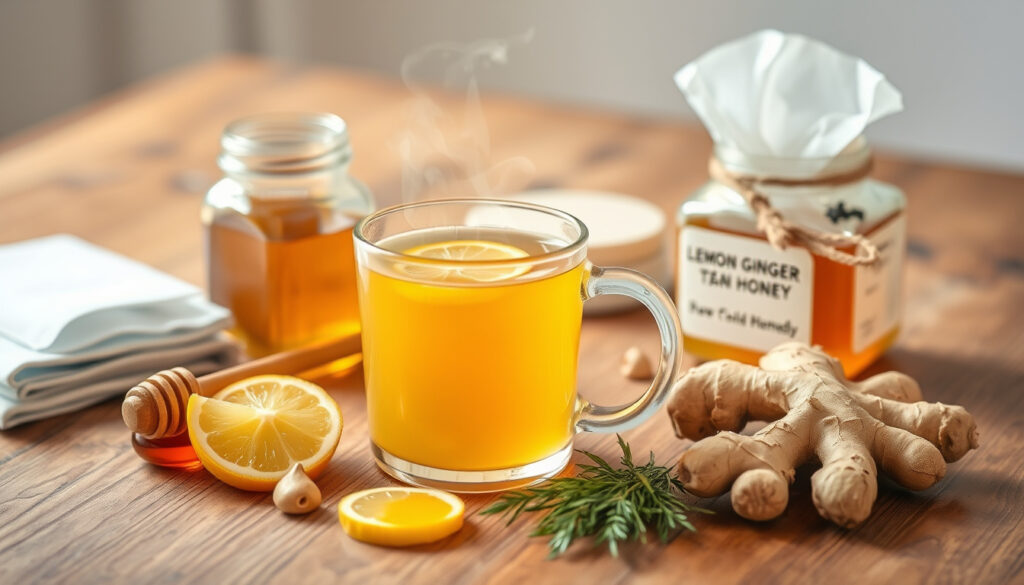
Hydration matters more than most people realize. Water, juice, clear broth, or warm lemon water with honey helps loosen congestion and prevents dehydration, according to the Mayo Clinic News Network. Warm liquids such as tea or warm apple juice might ease stuffiness by increasing mucus flow. Alcohol, coffee, and caffeinated sodas can make dehydration worse and should be avoided.
Drink plenty of fluids. Water, juice, clear broth or warm lemon water with honey helps loosen stuffiness and prevents dehydration.
— Mayo Clinic
For most adults: prioritise sleep, drink warm fluids every few hours, and skip the caffeine. Your body fights viruses while you rest.
OTC options like TYLENOL
Over-the-counter medications won’t cure your cold, but they make the days more bearable. The NHS recommends paracetamol or ibuprofen to ease aches or lower a temperature. These are safe for most adults when taken as directed.
Decongestants can help when a stuffy nose is the main complaint. The NHS notes that decongestant nasal sprays, drops, or tablets can unblock the nose, though they should not be used by children under 6 years old. Over-the-counter cold medications are widely available at pharmacies and supermarkets.
Realistic expectations
Some remedies might help ease cold symptoms and keep you from feeling so bad, though nothing can cure a cold, per the Mayo Clinic. Zinc lozenges and vitamin C have shown mixed results in studies—some research suggests they may shorten duration if taken early, but the evidence isn’t strong enough for a universal recommendation.
Cold remedies: What works, what doesn’t, what can’t hurt
Sorting cold remedies into three categories helps cut through the noise. Evidence-based recommendations from the Mayo Clinic and NHS separate what actually helps from folk wisdom that wastes your time.
Proven symptom relievers
A saltwater gargle of 1/4 to 1/2 teaspoon salt dissolved in an 8-ounce glass of warm water can temporarily relieve a sore or scratchy throat, according to the Mayo Clinic News Network. The SUDAFED guidance recommends gargling around four times a day. Children younger than 6 years are unlikely to be able to gargle properly, so this remedy is for older children and adults.
Over-the-counter saline nasal drops and sprays can help relieve stuffiness and congestion. In infants, experts recommend putting several saline drops into one nostril, then gently suctioning that nostril with a bulb syringe. Saline nasal irrigation is generally a safe procedure to do at home, according to SUDAFED.
Squeeze half a lemon into a mug of boiled water. Add 1 to 2 teaspoons of honey to soothe a sore throat.
— NHS
Honey may help coughs in adults and children older than age 1. The Mayo Clinic News Network notes honey has antibacterial and antimicrobial properties that can help ease the throat. Honey can also help you get much-needed sleep to aid recovery from a cold.
Unproven treatments
Study results on whether echinacea prevents or shortens colds are mixed, with some studies showing no benefit, per the Mayo Clinic News Network. Some echinacea studies show some reduction in the severity and duration of cold symptoms when taken in the early stages, though the evidence remains inconclusive. Echinacea appears to be safe for healthy adults but can interact with many drugs.
Lemon juice has a number of antibacterial properties, though there are limited studies to support its use as a cold virus curer, according to BBC Good Food. Many types of berries have antiviral properties that could help in fighting cold and flu viruses, though research is still preliminary.
Safe supportive measures
A cool-mist vaporizer or humidifier can add moisture to the home, which might help loosen congestion, per the Mayo Clinic. Vaporizer or humidifier water should be changed daily and the unit cleaned according to manufacturer instructions to prevent mould buildup.
Ginger has been used for medicinal purposes throughout history to soothe nausea, common cold, fever, and sore throats, according to BBC Good Food. Adding a few slices or grated raw ginger root to a cup of boiling water may soothe the cough or sore throat that comes with a cold. Ginger’s efficacy is thanks to active plant compounds, including gingerols.
What not to do during a cold?
Knowing what to avoid can be just as important as knowing what to do. Certain habits and treatments not only fail to help—they actively make things worse or introduce new risks.
Avoid antibiotics
Antibiotics work against bacterial infections, not viruses. Taking them for a cold is pointless and contributes to antibiotic resistance, a growing public health concern. The Mayo Clinic states plainly that there is no cure for the common cold, which is caused by viruses. Your pharmacist can advise on appropriate over-the-counter options.
Skip excessive meds
More medication isn’t better. Overusing decongestants risks rebound congestion—your nose gets stuffier when you stop. Stick to one product targeting your worst symptom rather than a “multi-symptom” cocktail that includes medicines you don’t need.
Don’t ignore rest
Pushing through a cold extends its duration. The NHS recommends getting plenty of rest to treat a common cold. Keeping warm also aids in quicker recovery, according to SUDAFED. Staying home also protects others from catching your virus.
Smoking makes cold symptoms worse. The NHS advises not to smoke as it can make cold symptoms worse. If you need another reason to quit, a cold is a poor time to be irritating your respiratory system.
The implication: Avoiding these pitfalls prevents symptom prolongation and protects both you and those around you from unnecessary discomfort.
How to quickly flush out a cold?
“Flushing out” a cold is a casual way of describing aggressive hydration and supportive care that helps your body clear the virus faster. The goal is keeping mucus thin, your immune system well-supplied, and your energy directed at recovery.
Hydration strategies
The NHS recommends drinking lots of fluid, such as water, to avoid dehydration. Warm drinks like herbal or decaffeinated teas help relieve congestion and soothe inflammation in the lining of the nose and throat. The Mayo Clinic News Network specifies that water, juice, clear broth, or warm lemon water with honey helps loosen stuffiness.
The NHS recommends drinking a hot lemon and honey drink to soothe a sore throat. Squeeze half a lemon into a mug of boiled water and add 1 to 2 teaspoons of honey. Note that honey should not be given to children younger than 1 year old because of the risk of infant botulism.
Steam and saline
Inhaling steam can help loosen congestion, but caution is needed. The NHS advises not to let children breathe in steam from a bowl of hot water because of the risk of scalding. A warm compress, heat pack, or warm face cloth over eyes and the top of the nose can help ease cold symptoms without the burn risk.
Dietary supports
Berries containing high levels of vitamin C support the immune system, according to SUDAFED. Elderberries and cranberries may support immune function and reduce cold symptoms. The NHS recommends eating healthy food during a cold, noting it is common for small children to lose their appetite for a few days.
Can a cold heal in 2 days?
Most adults want a straight answer on this one. The honest answer from medical authorities: symptoms peak on days 2-3, and full recovery typically takes 7-10 days. Feeling better by day 2 is possible, but “healed” is a different story.
Common cold stages
The typical cold trajectory starts with a scratchy throat or mild fatigue, progresses to full symptoms over 24-48 hours, peaks around days 2-3, and gradually resolves over the next five to seven days. You are contagious for 1-2 days before symptoms appear, which is why colds spread so easily—people don’t know they’re infected yet.
Factors speeding recovery
Rest and sleep, as well as drinking plenty of water and gargling salt water to soothe a sore throat, can all relieve cold symptoms, according to SaTH NHS. You can usually treat a cold at home or speak to your local pharmacist for advice on over-the-counter medications with no appointment necessary.
Keeping warm aids in quicker recovery from common cold according to SUDAFED. Rest gives your immune system the energy it needs to fight the virus efficiently.
When to see a doctor
Most colds resolve without medical intervention. However, see a doctor if symptoms last longer than 10 days, worsen significantly after initial improvement, or include high fever, severe headache, or difficulty breathing. These could indicate a secondary bacterial infection or another condition.
The pressure to “power through” a cold often backfires. Adults who push themselves typically extend symptoms by days—the NHS makes rest a primary recommendation for good reason.
What this means: Pacing yourself through a cold pays off—rest doesn’t just feel good, it genuinely shortens your suffering.
Related reading: How to Reduce Cholesterol in 7 Days · 5 Weird Signs of Iron Deficiency
simplethings-nhs.com, newsnetwork.mayoclinic.org, newsnetwork.mayoclinic.org, mayoclinic.org, mayoclinichealthsystem.org, wintertonmedicalpractice.nhs.uk
Frequently asked questions
How to relieve common cold symptoms?
Rest, hydration, and targeted OTC medications form the foundation. Gargle salt water for sore throat, use saline nasal spray for congestion, and take paracetamol or ibuprofen for aches. Warm liquids like tea with honey help loosen stuffiness. The Mayo Clinic notes that while nothing cures a cold, these measures genuinely ease symptoms.
Can I beat a cold in 3 days?
Symptom relief in 3 days is realistic—feeling noticeably better is achievable with aggressive rest and hydration. Full recovery, however, still typically takes 7-10 days. Symptoms peak on days 2-3, so “winning” by day 3 means reducing the worst of it, not eliminating the cold entirely.
How to tell if it’s a cold or a virus?
“Cold” is itself a virus—specifically one of over 200 viruses, with rhinovirus being most common. If symptoms are severe (high fever, body aches, extreme fatigue), it may be influenza (flu) rather than a common cold. The flu typically hits harder and faster. See a healthcare provider for testing if you’re uncertain.
What are signs your body is fighting a cold?
Increased mucus production, mild fever (indicating immune activation), fatigue, and swollen lymph nodes are signs your immune system is actively responding. The scratchy throat that often appears first signals early inflammation. These are normal responses—the body doing its job.
How long do cold symptoms last?
Peak symptoms typically occur on days 2-3, with most adults recovering fully in 7-10 days. Some coughs can linger for 2-3 weeks after other symptoms resolve. Children may take slightly longer. According to the NHS, a cold’s duration varies by individual and how aggressively it’s treated.
What works for cold congestion?
Saline nasal sprays or drops, steam inhalation (with caution around children), and staying hydrated keep mucus thin and manageable. The NHS recommends decongestant nasal sprays for adults, though these shouldn’t be used by children under 6. A humidifier adding moisture to the room also helps.
For most people, the cold treatment calculus is straightforward: rest when you can, hydrate aggressively, and treat symptoms with evidence-based remedies. Antibiotics are a dead end, and elaborate “immunity boosters” have thin evidence. Your body will clear the virus in a week or so—the goal is making that week more bearable.
More related posts
 Little House on the Prairie – Books, TV Show and True Story
 Royal Victoria Regional Health Centre: Services, Portal & More
 What to Do If Blood Pressure Is Too Low: Steps to Take
 Kiernan Shipka: Bio, Age, Ethnicity & Dating Facts
 Adani Power Share Price Live: NSE Chart, PE PBV, 2027 Target
 173 lbs to kg | Convert Pounds to Kilograms (78.47 kg)
 How to Cancel Uber One Membership Step-by-Step
 I Saw the TV Glow – Plot, Cast and Ending Explained